Summary
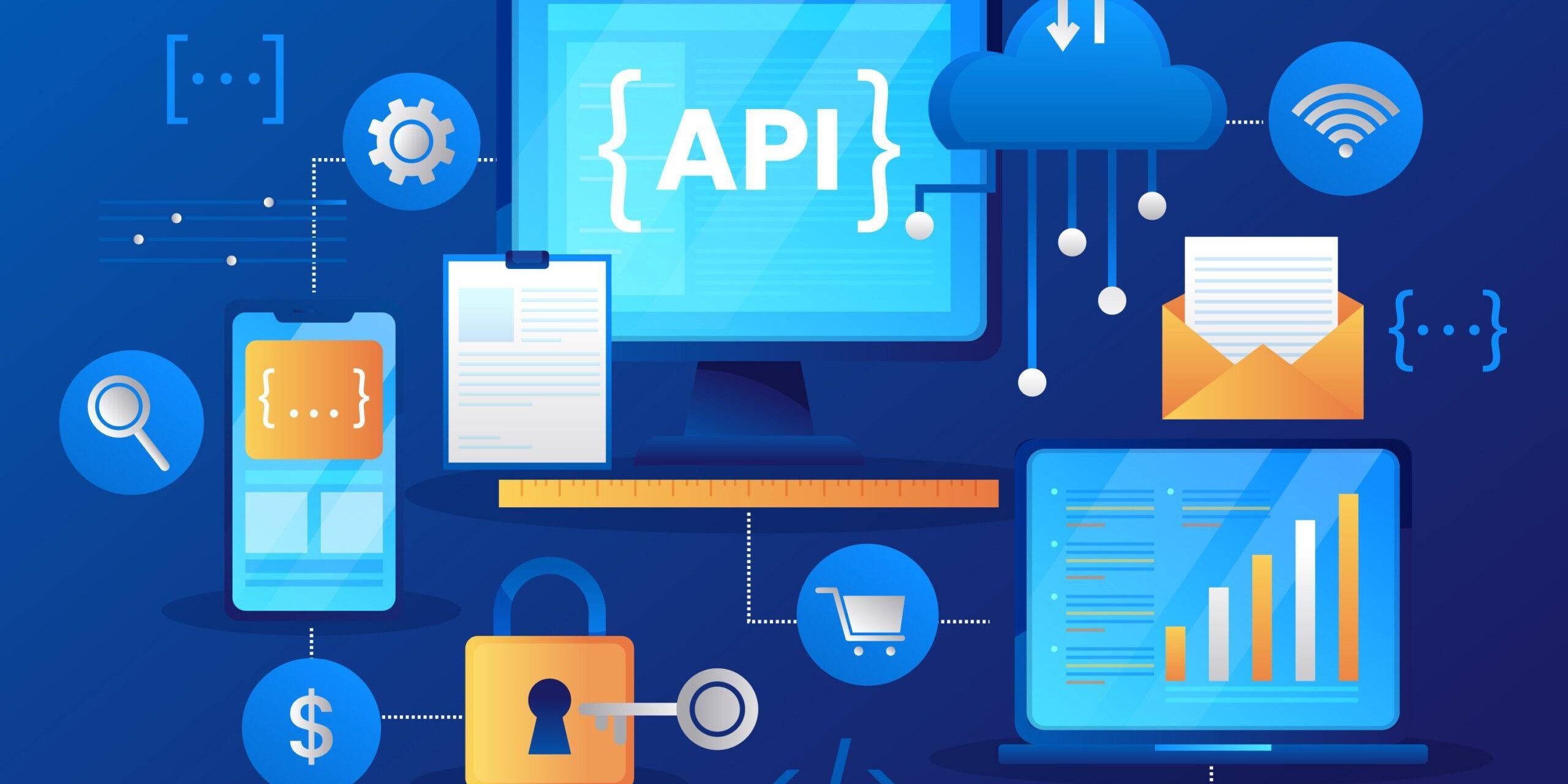
API integration allows companies to connect software systems, automate workflows and ensure accurate, real-time data. It is essential for digital transformation and operational efficiency.
Companies today use multiple software tools to manage operations, production, customer data, logistics and administration. However, when systems are not connected, information becomes fragmented, duplicated and difficult to track.
API integration solves this challenge by allowing different applications to communicate automatically, securely and in real time.
Related articles:
- What Software Development Really Means
- Custom Software: when it makes sense
- Industry 4.0 and digital transformation
 Why API integration matters
Businesses depend on reliable data. Without integration, employees must:
- manually re-enter information
- export files repeatedly
- manage multiple platforms
- resolve inconsistencies
API integration makes data flow automatically across systems, reducing errors and ensuring operational alignment.
How API integration works
APIs serve as a universal communication bridge between software, using standards such as REST, SOAP or GraphQL.
They can synchronize:
- customer and order data between CRM and ERP
- machine data to maintenance or production systems
- e-commerce platforms with logistics solutions
- HR tools with safety or attendance systems
- dashboards and BI tools with company databases
Related: Business dashboards and KPI monitoring
 API Integration and Industry 4.0
In modern industrial environments, API integration is key. Technologies like IoT, predictive maintenance and MES systems rely on direct data exchange to function properly.
Solutions like CITIUS or condition-based monitoring systems become exponentially more valuable when integrated with:
- ERP software
- quality systems
- maintenance tools
- database platforms
Who benefits from API integration?
API integration benefits both small and large organizations:
|
Small and medium businesses |
Established enterprises |
|
Connect existing software |
Automate large-scale workflows |
|
Reduce manual activities |
Improve governance and standardization |
|
Increase accuracy |
Ensure real-time data alignment |
Key Benefits
With proper API integration, companies can achieve:
- Automation of repetitive tasks
- Reduced operational time
- Improved data quality and security
- Better decision-making
- A seamless user experience
Explore: Agile and DevOps in modern development
API integration is not just a technical upgrade — it’s a strategic investment in efficiency, scalability and competitiveness. A connected software ecosystem supports better decisions, better data and better business outcomes.